Runway Structures

Structural Support for Overhead Crane Systems

Runway structures provide the critical support system that allows overhead bridge cranes to operate safely and efficiently within a facility. These structural frameworks carry the loads generated by crane movement, lifting operations, and trolley travel, transferring them safely to the building structure or floor foundations. Prolift Crane & Hoist Inc. designs, engineers, and installs both freestanding and tied-back runway systems for a wide range of overhead crane applications. Our team can also provide the structural and wheel-load data required for customers to work with a qualified civil engineer when foundation design is required.

PRO LIFT CRANE & HOIST

Types of Runway Structures

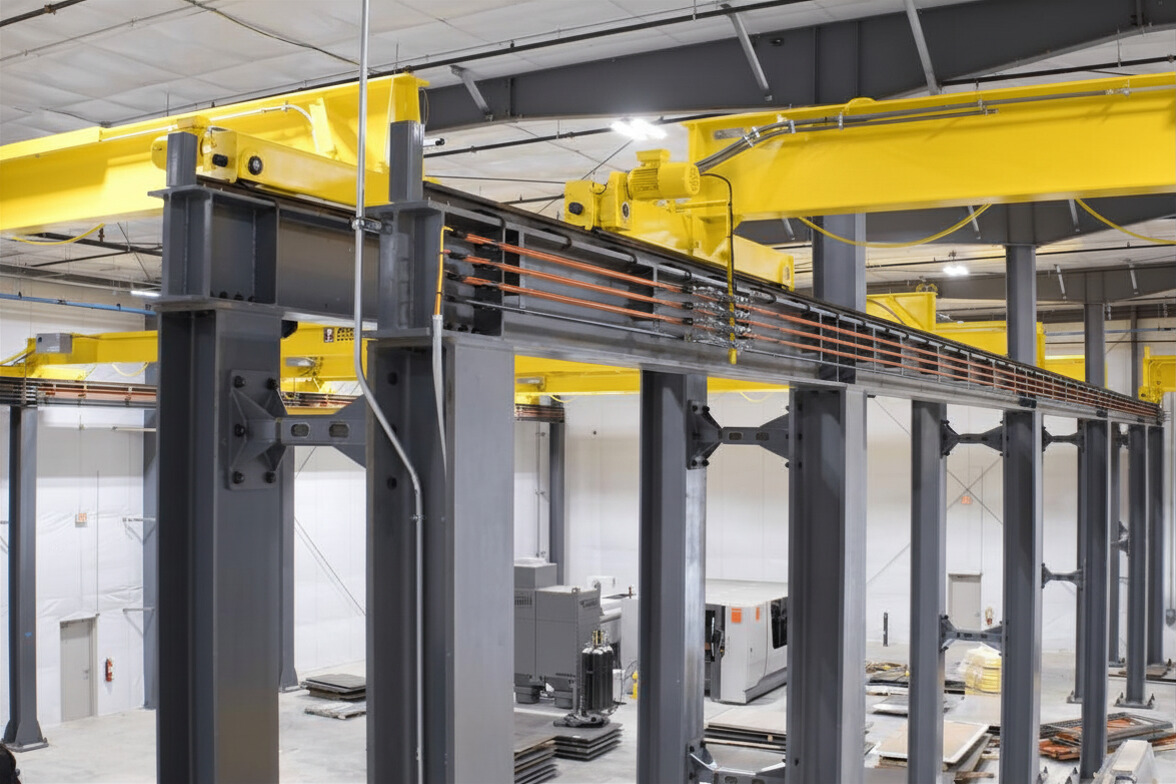
  • Freestanding Top-Running Runways

    Freestanding top-running runways are supported entirely by independent steel columns rather than the building structure. These systems carry all vertical and horizontal crane loads and are often used when existing buildings cannot support crane forces. Is your building structure limiting your options? Prolift can help you find the right solution.

    Key characteristics

    • Independent column-supported structure
    • Transfers loads directly to floor foundations
    • Suitable for buildings not designed for crane loads
    • Provides flexibility for new layouts or future expansion
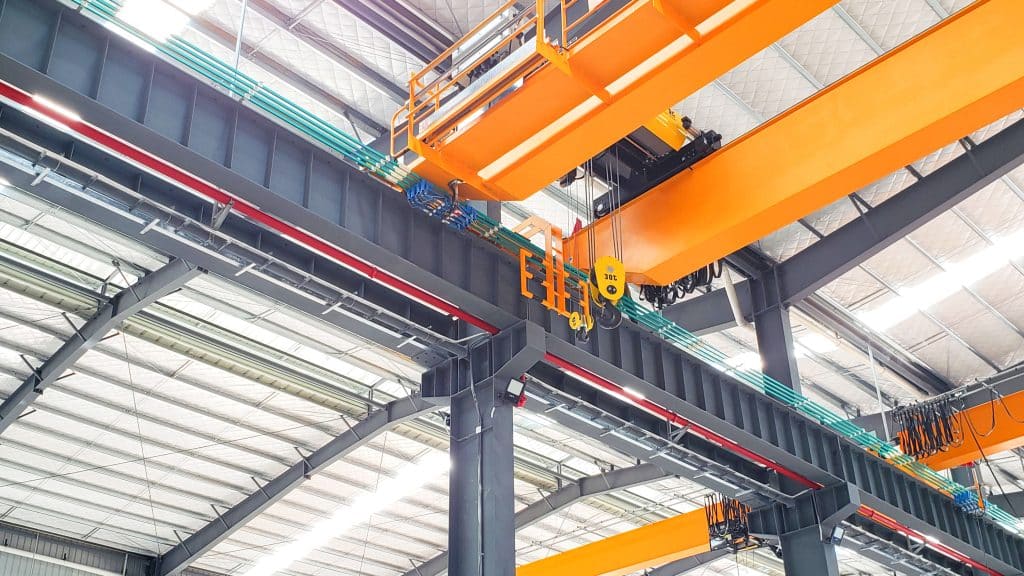
  • Tied-Back Top-Running Runways

    Tied-back runway systems use columns that are braced or connected to the building structure through wall ties or roof bracing. This configuration reduces the amount of structural steel required while still providing strong support for overhead cranes.

    Key characteristics

    • Columns connected to building structure for added stability
    • Requires less steel than fully freestanding systems
    • Suitable when buildings can absorb horizontal loads
    • Common in existing industrial facilities
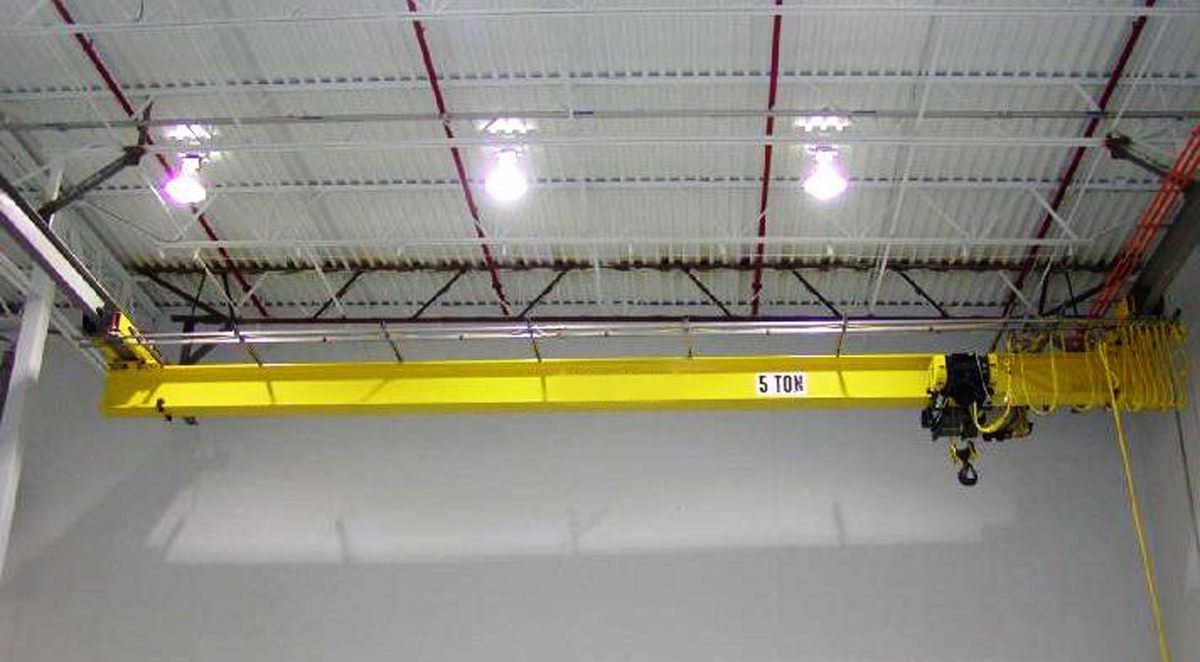
  • Under-Running Runways (Freestanding, Tied-Back, or Ceiling-Mounted)

    Under-running runways support cranes that operate beneath the runway beam rather than on top of it. These systems can be freestanding, tied back, or suspended from the building structure, depending on the facility design.

    Key characteristics

    • Cranes suspend from the bottom flange of the runway beam
    • Helps maximize available hook height
    • Suitable for tighter spaces or workstation-style systems
    • Allows smooth and precise crane movement

Recent Projects

Installation of 10 Ton Crane & Runway in Ontario

Prolift Crane & Hoist Inc. designed, fabricated, and installed a 10-ton single-girder top-running bridge crane with freestanding runways for a fabrication shop in southeastern Ontario this past June.

Runway Structures

FAQ

An overhead crane runway structure is the system of beams, rails, columns, and supports that the bridge crane travels on. It transfers crane loads—including lifted loads, crane self-weight, and dynamic forces—into the building structure or foundation. A properly designed runway is critical to crane performance, safety, and long-term reliability.

A tied-back runway is laterally supported by an existing building structure, typically through roof trusses, wall columns, or bracing. This type of runway relies on the building for lateral stability and is often more cost-effective when the building is structurally capable of supporting crane loads.

A freestanding runway is completely independent of the building and is supported by its own columns and foundations. This design is commonly used when the existing building cannot support crane loads, when installing cranes in pre-engineered buildings not designed for cranes, or when future building expansion or isolation from building movement is desired.

Crane runway systems impose significant vertical, lateral, impact, and fatigue loads on both foundations and supporting structures. A licensed civil or structural engineer is required to:

  • Design foundations
  • Verify soil bearing capacity and settlement limits
  • Ensure compliance with local building codes, CSA standards, and CMAA guidelines
  • Confirm that existing structures can safely support crane loads

Prolift Crane & Hoist Inc offers full in-house runway structure design for overhead crane systems, whether for new construction or retrofits to existing buildings. This includes runway beams, column layouts, rail selection, bracing concepts, and all crane-induced loading requirements.

However, the customer is responsible for engaging a qualified civil or structural engineer to verify that the building structure and/or foundations can safely support the runway structure as designed. Prolift will provide complete loading data, including vertical, lateral, impact, and wheel loads, to the customer’s engineer for review and approval.

Lean on our expertise

Can’t decide what product is right for the job?

With years of experience, we offer expert consulting to guide you in selecting the perfect product tailored to your unique requirements. Let us navigate the options together and find the ideal solution for your needs.